Discovering The Historical Development Of Baccarat Table Formats
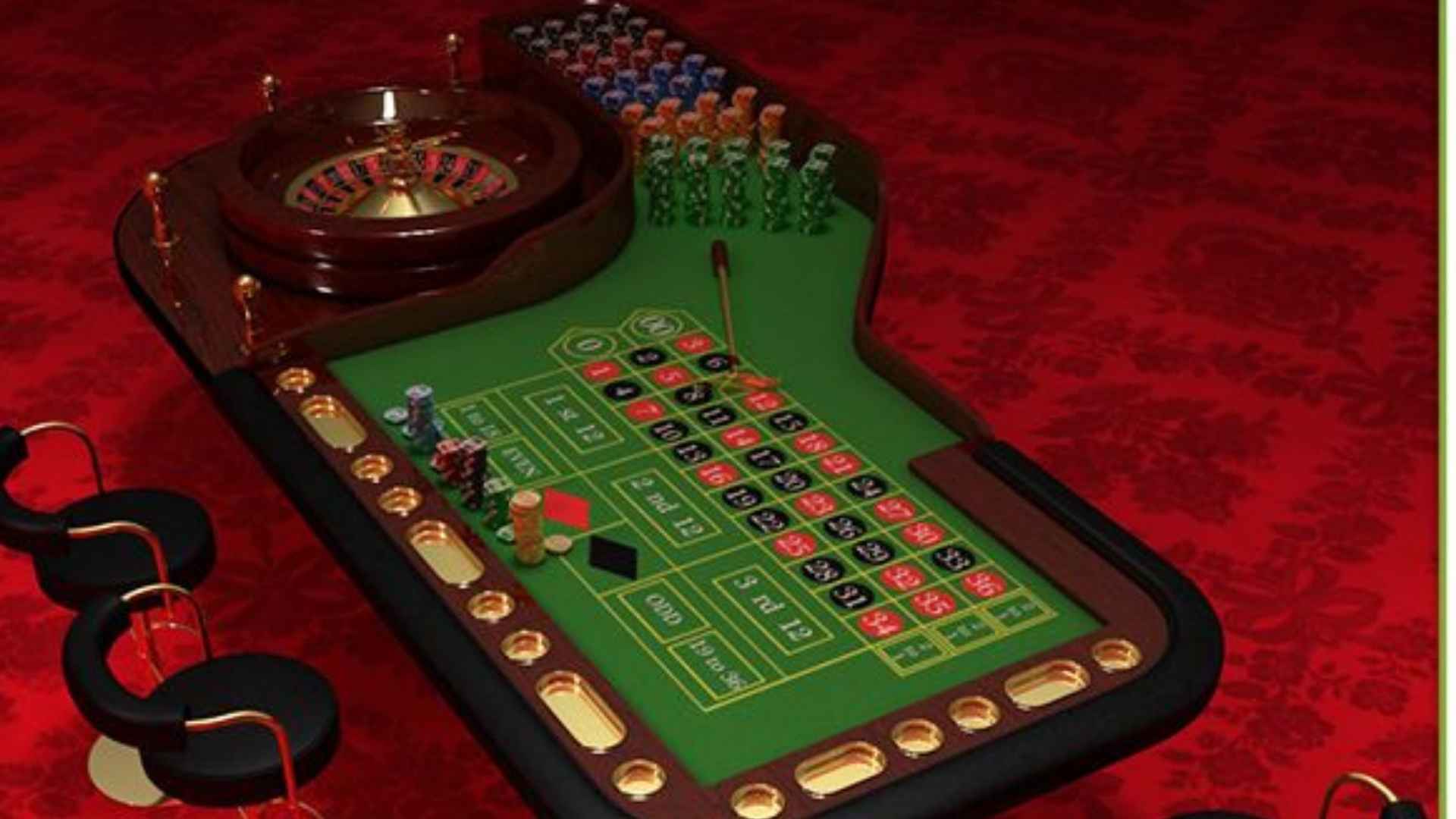
The physical environment of a casino often speaks volumes about the games hosted within its walls. In baccarat, the literal shape, size, and markings of the table are direct expressions of the game's specific historical origins and regional rules. Understanding how these architectural differences evolved over centuries reveals a fascinating transition from secretive European salons to the bustling floors of modern digital platforms.
The Grand Origins of the Full-Size Table
The earliest formal baccarat games were played on massive, kidney-shaped tables designed to accommodate a large crowd of participants. These physical arrangements allowed up to fourteen players to sit comfortably around the felt while multiple casino croupiers managed the complex flow of wagers. The sheer scale of this traditional setup fostered an elite, community-driven atmosphere where participants took turns physically handling the cards.
Because these traditional spaces required significant floor area and high minimum stakes, they remained isolated within exclusive high-roller salons. The architectural layout itself built a sense of luxury and mystery, keeping casual enthusiasts at a distance. This grand framework established the baseline for table management, dictating how physical space influenced player interaction and pacing.
The Streamlined Rise of Mini Baccarat
As casinos looked to expand their audience in the mid-twentieth century, developers introduced a revolutionary structural change by shrinking the traditional layout. This innovation resulted in the Mini Baccarat table, which functions on a blueprint roughly the size of a standard blackjack table. By accommodating fewer participants, this streamlined layout allowed a single dealer to manage all card distributions at a much quicker pace.
By removing the traditional ceremonies associated with player card handling, a single round could be completed in just a fraction of the usual time. The lower table limits made it an attractive option for casual enthusiasts who preferred fast-paced entertainment. Today, modern players looking to explore these fast dynamics can easily access tailored table experiences via platforms like m88.com mobile from anywhere.
The Transition into Digital Interfaces
The digital transformation of classic casino entertainment has significantly altered how players engage with table designs on the internet. Virtual platforms use advanced user interfaces to present various regional adaptations to a global audience without the constraints of physical furniture. Software creators can implement dynamic betting screens, detailed game tracking statistics, and custom optional side wagers seamlessly into a single screen layout.
This evolution ensures that the internal rhythm of the game remains highly customizable for the end user. Whether simulating a massive high-stakes salon or a rapid-fire session, modern digital layouts preserve core traditional structures while maximizing operational efficiency. The transition from physical felt to responsive screens represents the latest chapter in a long history of structural adaptation.